
Puerto Rico Beach Safety Tips for Families Visiting San Juan
Just because you're on vacation doesn’t mean you're in a bubble.
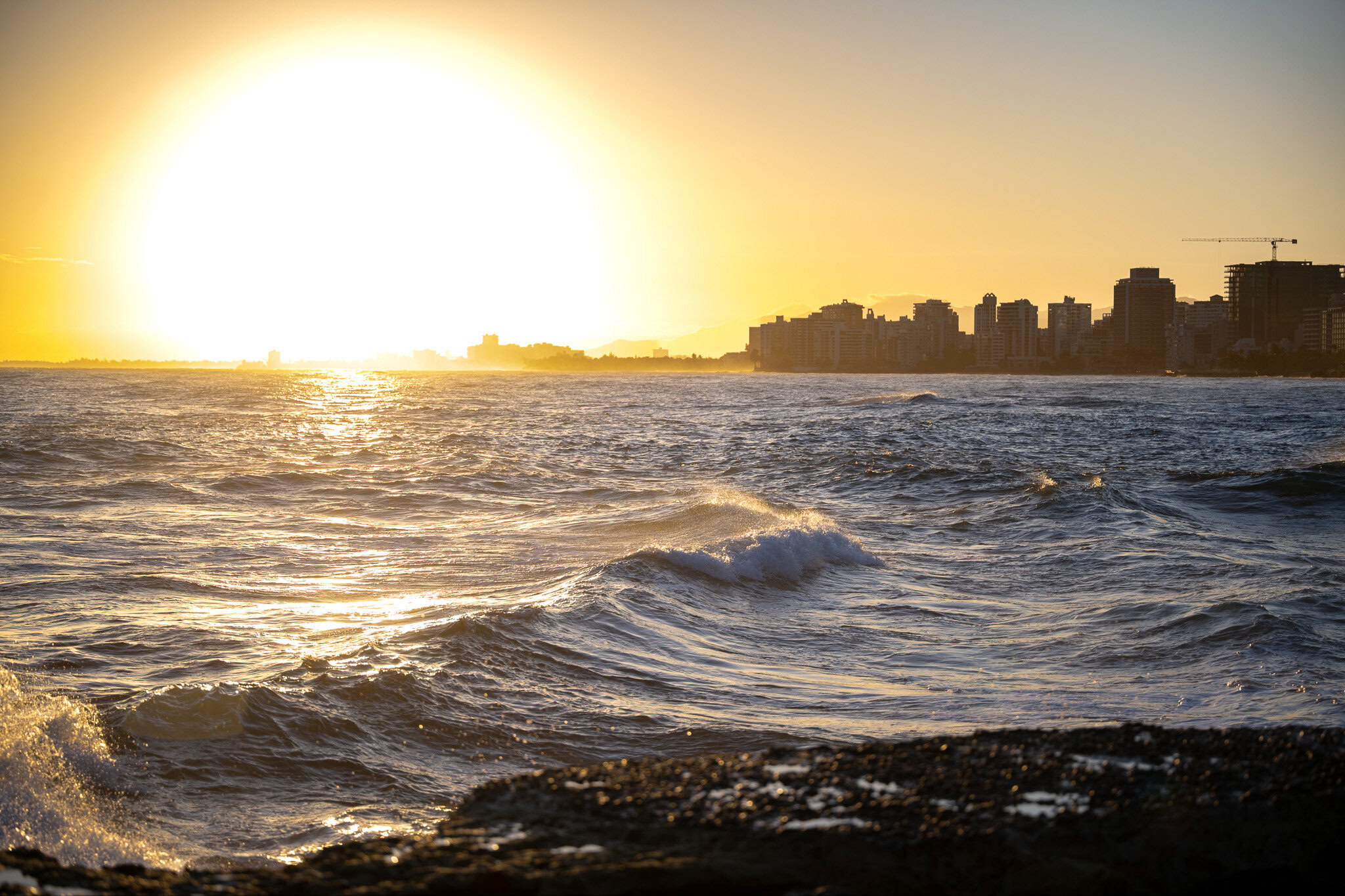
Every week in San Juan, I see travelers walk toward the ocean assuming it’s safe simply because it looks beautiful. But along Puerto Rico’s north coast, especially near Condado and Ocean Park, ocean conditions can change fast, and what looks calm from shore can be dangerous once you're in it.
If you're planning a trip, these Puerto Rico beach safety tips will help you recognize unsafe conditions and make smarter decisions before stepping into the water.
Why the North Coast of Puerto Rico Can Be Dangerous
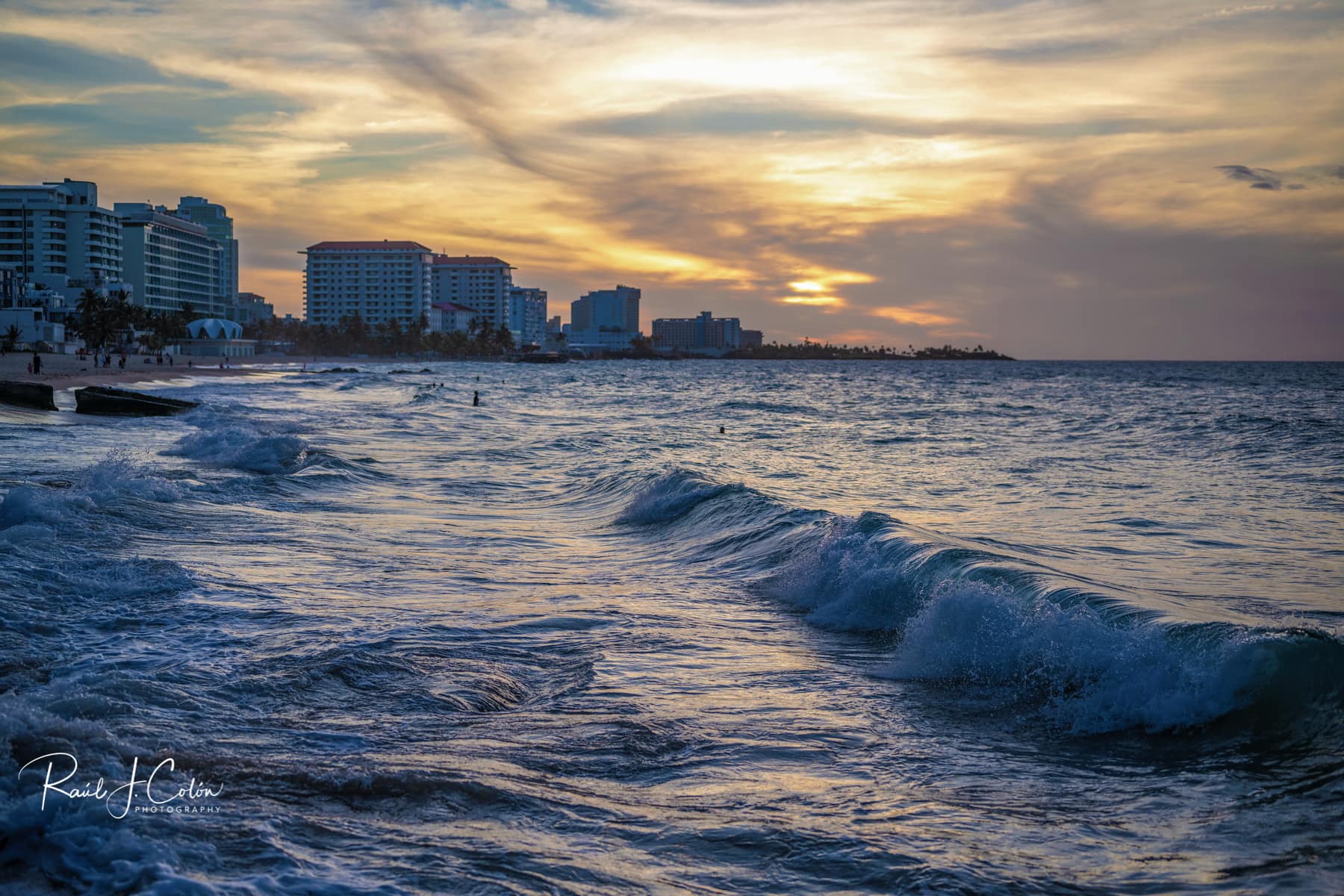
The north coast of Puerto Rico, including much of San Juan, faces the open Atlantic Ocean. That means stronger wave activity, powerful swells during winter months, and unpredictable rip currents.
Even areas that normally feel calm can become unsafe when the ocean is choppy. Rough water creates:
- Strong rip currents
- Hidden undertows
- Waves that can knock you off balance
- Dangerous pulls toward rock formations and underwater caves
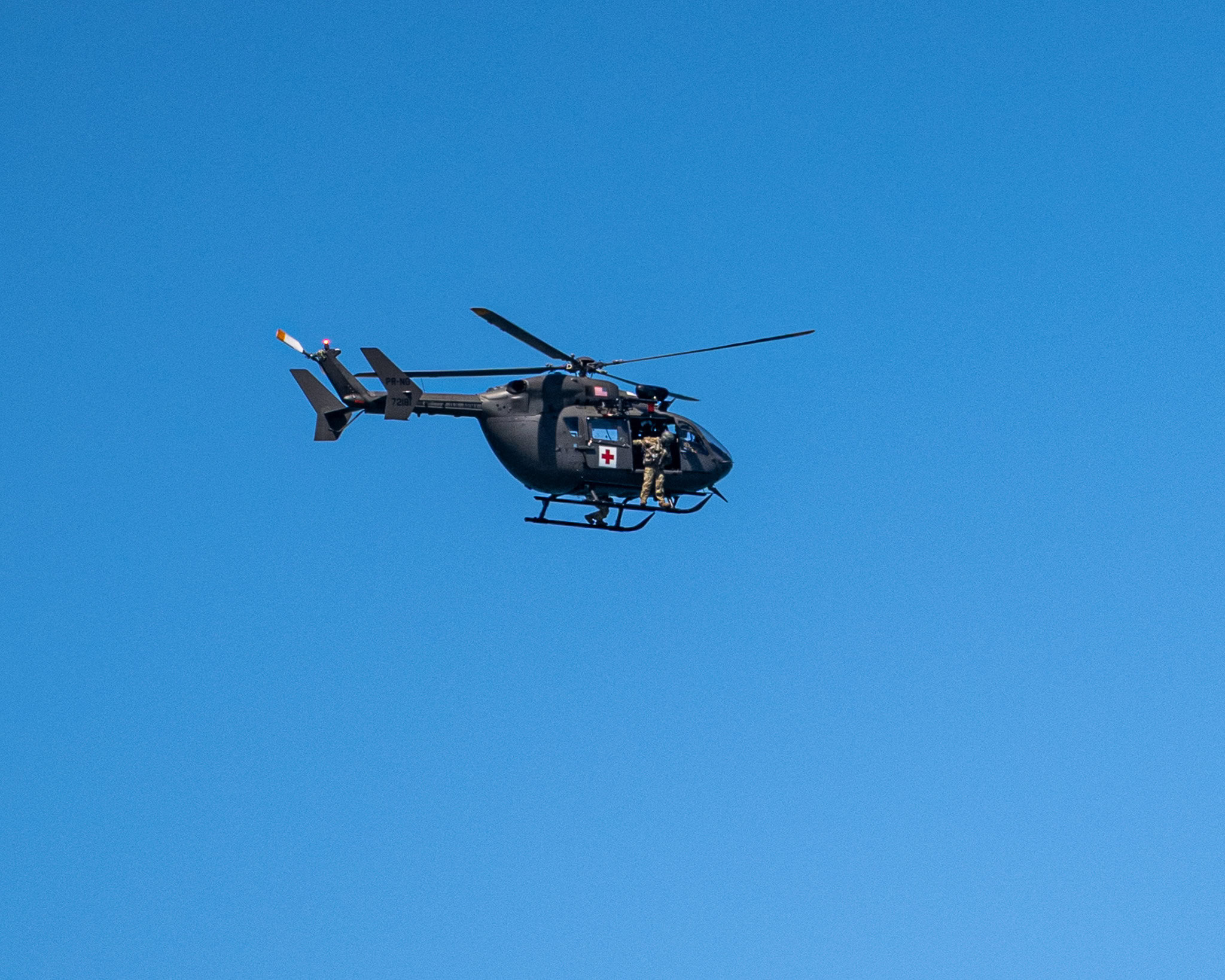
I’ve lived in this area for around 14+ years. I’ve seen Coast Guard helicopters respond more times than people realize. Most incidents don’t happen because someone is reckless. They happen because someone underestimated the water.
Puerto Rico Beach Safety Walkthrough
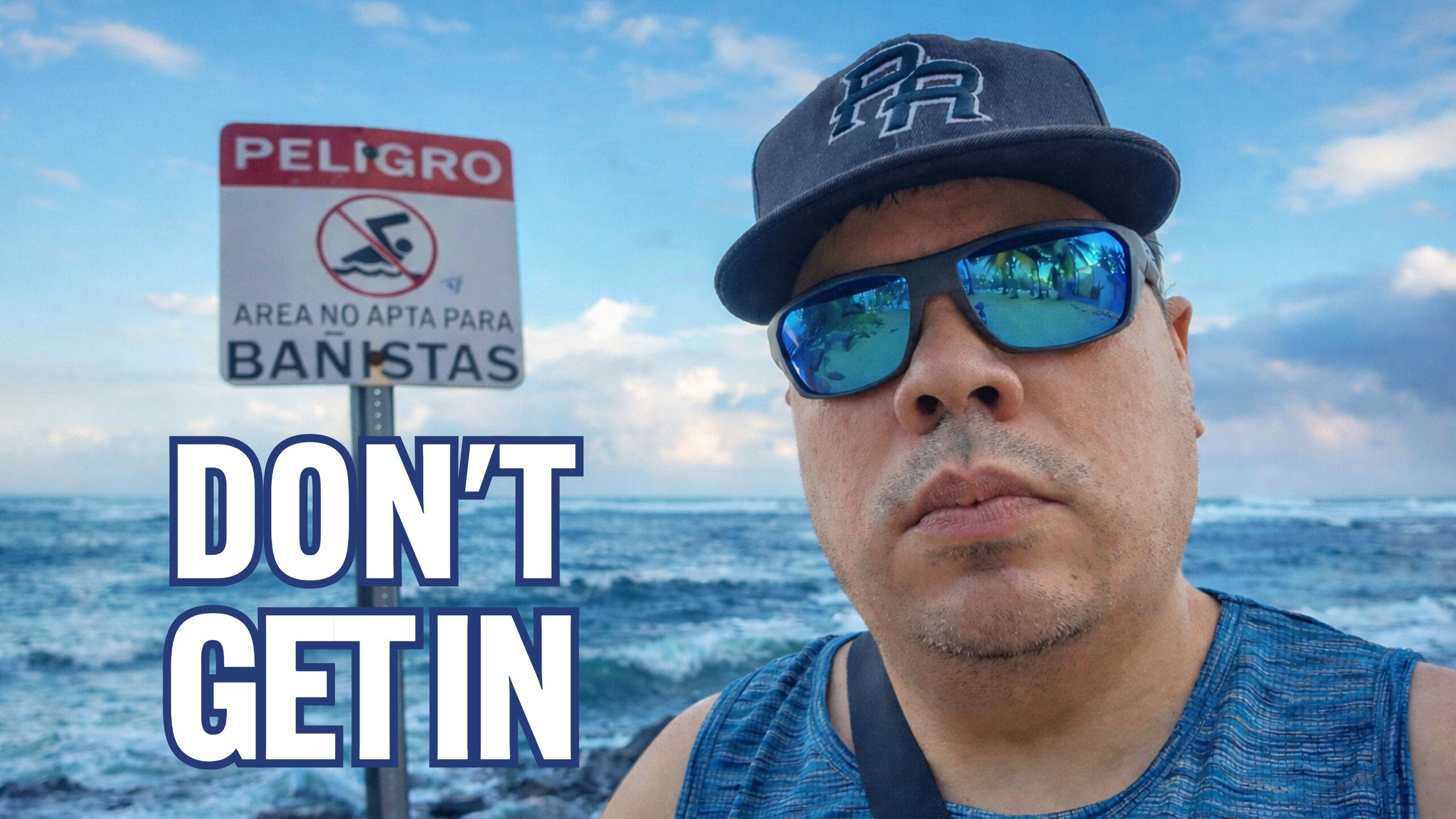
Walking along the San Juan shoreline to show what unsafe ocean conditions look like. This video helps families and travelers recognize rough water before stepping in.
How to Recognize Unsafe Ocean Conditions
Before entering the water in San Juan or anywhere along Puerto Rico’s north coast, look for these warning signs:
1. Waves Crashing Hard Against the Shore
If waves are hitting the shoreline with force or breaking aggressively against seawalls and rocks, that’s your first red flag.
2. Water That Looks “Choppy” or Uneven
Calm water has rhythm. Dangerous water often looks chaotic.
3. Warning Signs That Say “PELIGRO”
“PELIGRO” means danger. If you see a sign stating the area is not safe for swimmers, believe it.
4. Strong Pull as You Step In
If you dip your toes in and immediately feel the water pulling away from shore, don’t go further.
Seasonal Hazards Travelers Should Know About
Ocean conditions in Puerto Rico are not the same year-round.
During winter months (especially January through March), north swells can create significantly rougher water along San Juan beaches.
This is also when jellyfish are more common in certain areas.
Even experienced swimmers can get into trouble during these seasonal changes. I don’t care how strong of a swimmer someone is — if you don’t know the area, stay out when conditions look questionable.
Common Mistakes Tourists Make at San Juan Beaches
- Assuming beautiful weather means safe water
- Ignoring warning signs
- Following other swimmers into unsafe areas
- Underestimating Atlantic wave strength
- Standing near seawalls during rough surf
Safety isn’t about fear. It’s about awareness.
Safer Alternatives When the Ocean Is Rough
If water conditions are unsafe along the open north coast, you still have options.
- Protected lagoon-style beaches like Escambrón
- Hotel pools
- Beach walks instead of swimming
- Waiting a day for conditions to improve
San Juan offers multiple beach environments within a short distance. Knowing which areas are more protected can make all the difference.
Travel Safety Is Part of Smart Vacation Planning
As someone with a military background, IT security experience, and now a travel advisor living in Puerto Rico, I approach travel differently.
Situational awareness matters.
Respecting local conditions matters.
Understanding geography matters.
And yes — enjoying your vacation still matters.
But enjoying it safely is what makes it truly stress-free.
Watch the Shorts Video
In this vlog, I walk along the San Juan shoreline and show real examples of what unsafe water conditions look like.
Watch the full breakdown here: Don’t Get In When Water Looks Like This
Planning a Puerto Rico Trip?
If you're planning a Puerto Rico vacation, cruise departure from San Juan, or pre-cruise stay, I help families plan smarter and safer trips.
Plan Your Puerto Rico Trip Here
Safety isn’t fear. It’s preparation.